0
Community Forums held in East Africa
0
At risk youth in Nebraska mentored
0
women involved in conflict resolution
The VCRP Model of Change (also known as a Theory of Change) is a strategic roadmap that links the organizations daily actions in Omaha to its long-term vision of peace and resilience in Africa, based on logical, evidence-based, and systemic.
The VCRP Logic Model: From Nebraska to East Africa -
Systemic conflict and economic collapse in East Africa create a transnational trauma loop. In Nebraska, this manifests as cultural fracture, identity loss, and juvenile delinquency among youth. Globally, it fuels governance failure, food insecurity, and violence. We address these interconnected crises by breaking the cycle of displacement and trauma.
Our impact is fueled by Human Capital, leveraging the leadership, mediation, and engineering expertise of South Sudanese veterans. We utilize Social Capital through the "trusted messenger" status of Nebraska’s diaspora elders. These resources, supported by seed grants and the Diaspora Resilience Trust Fund, provide the foundation for sustainable community resilience.
Our activities include Local Intervention through veteran-led "Civic Circles" for Omaha's at-risk youth; Digital Strategy training for the Digital Peacekeeping Unit (DPU); Technical Action to design and fund food and water infrastructure; and Governance Support through legal drafting for transitional justice. We turn professional expertise into tangible community resilience.
We transform Omaha youth from "at-risk" to civic leaders via resilience tech skills. Concurrently, we achieve conflict de-escalation through remote mediation of Sudanese disputes. This is anchored by physical infrastructure, including solar-powered boreholes and sibling farms, bridging technical expertise with tangible community stability.
We are building a self-sustaining cycle where technically skilled Nebraska-diaspora leaders directly stabilize their home regions. By reducing the burden of failing governments, this ecosystem fosters a resilient future for the next generation on both continents, bridging the gap between local empowerment and global stability.
IF we mobilize the moral authority and technical skills of the veteran diaspora in Nebraska to mentor at-risk youth and lead resilience projects, THEN we will break the cycle of transnational trauma and juvenile delinquency, BECAUSE we are replacing failing external systems with trusted, community-led "Global" leadership
We transform the "Veteran" identity into a "civic protector" role. Using the unique status of Army Veterans in Omaha and Lincoln, we facilitate Virtual Peace Tables. These are remote, secure communication channels used to mediate land and communal disputes in regions where formal governance is absent.
We measure our impact through Mentorship program and Facilitating dialogues:
To combat economic collapse, we have created a structured pipeline for Nebraska-based capital to reach the most underprivileged communities.
VCRP implements two key programs; The peace initiative and the accountability program.

Conflict is often fueled from abroad via social media. VCRP monitors and debunks "fake news" that triggers violence in East Africa.
We achieve this goal through information Monitoring and Civic Literacy.
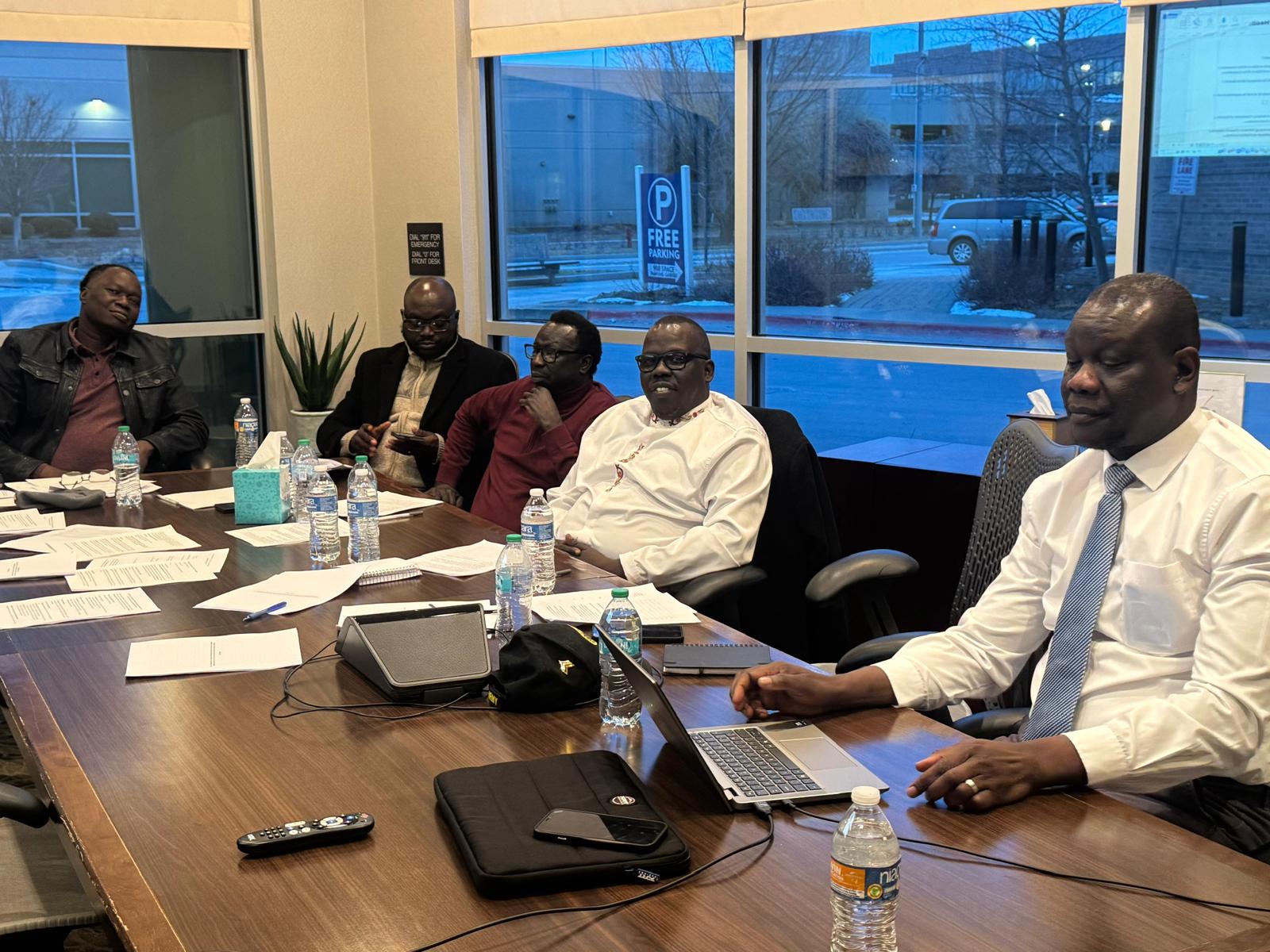
We provide the academic and legal expertise needed to transition from conflict to a functioning state. To achieve this we support Peace Courts and Documentation.
When stability fails, our protection-first approach kicks in. We operate a direct delivery model to reduce mortality in conflict zones. This pillar has three programs: The 48-Hour Window, WASH and Nutrition and Shelter.
At VCRP, we leverage veteran leadership to restore stability. Our process begins with an Intake of conflict reports, followed by a VMC Analysis of conflict drivers. We resolve disputes through Virtual Peace Tables, finalizing our work with a Community Social Contract—a digital, moral commitment to lasting peace.